How to Grow a Business from the Ground Up: A Complete Guide for Entrepreneurs 

Growing a business from the ground up is one of the most rewarding — and demanding — journeys a person can undertake. It requires more than a great idea. It takes financial discipline, strategic thinking, resilient leadership, and the ability to build a team that can execute alongside you. If you are asking how to grow a business from a standing start, the steps below will help you move faster with fewer missteps.

The good news: every successful entrepreneur has navigated the same terrain. The challenges are predictable. The milestones are learnable. And the path from startup to thriving business is well-worn by those who came before you.

This guide breaks down the entrepreneurial journey into clear, actionable stages, from validating your idea to scaling past the US$1 million mark and beyond. Along the way, you will find resources, insights from real entrepreneurs, and information on how the Entrepreneurs' Organization (EO) can support your growth at every stage.

In this guide

  • Validate Your Idea Before You Build
  • Build a Financial Foundation
  • Create Systems That Scale
  • Hire and Lead the Right People
  • Grow Your Revenue and Your Brand
  • How EO Can Help You at Every Stage
  • Frequently Asked Questions
  • Next Steps: How to Join EO or EO Accelerator

Validate Your Idea Before You Build

The first stage of growing a business is deceptively simple: figure out whether your idea solves a real problem for real people who will actually pay for it. Many founders skip this step in their excitement to launch, only to discover months (and many dollars) later that the market was not there.

Validation does not require a finished product. It requires honest conversations with potential customers, a clear understanding of the competitive landscape, and a willingness to refine your concept based on what you learn. If you are looking for how to validate a business idea, start with direct interviews, quick prototypes, and clear measures of demand.

What validation looks like in practice

  • Talk to at least 20 potential customers before building anything. Ask about their pain points, current workarounds, and what they would pay for a better solution.
  • Identify your differentiation. What does your business do that no one else does, or does better? If you can't answer this clearly, neither can your customers.
  • Define your target market specifically. "Small businesses" is not a market. "Independent restaurant owners in mid-sized U.S. cities struggling with staff retention" is.

The hard truth: Most businesses that fail do so because they built something people did not want badly enough to pay for. Validation is the cheapest insurance you can buy.

Build a Financial Foundation

Financial clarity is the backbone of sustainable growth. Yet it is one of the areas where early-stage entrepreneurs most often fly blind. As Jennifer Barnes (EO San Diego) writes: “Entrepreneurs who struggle financially rarely fail overnight. More often, the warning signs were there all along, hidden in numbers they did not fully understand or review often enough.”

Getting your financial foundation right early saves you from the most common and costly mistakes of the growth stage. For financial metrics for startups, focus on the five numbers below.

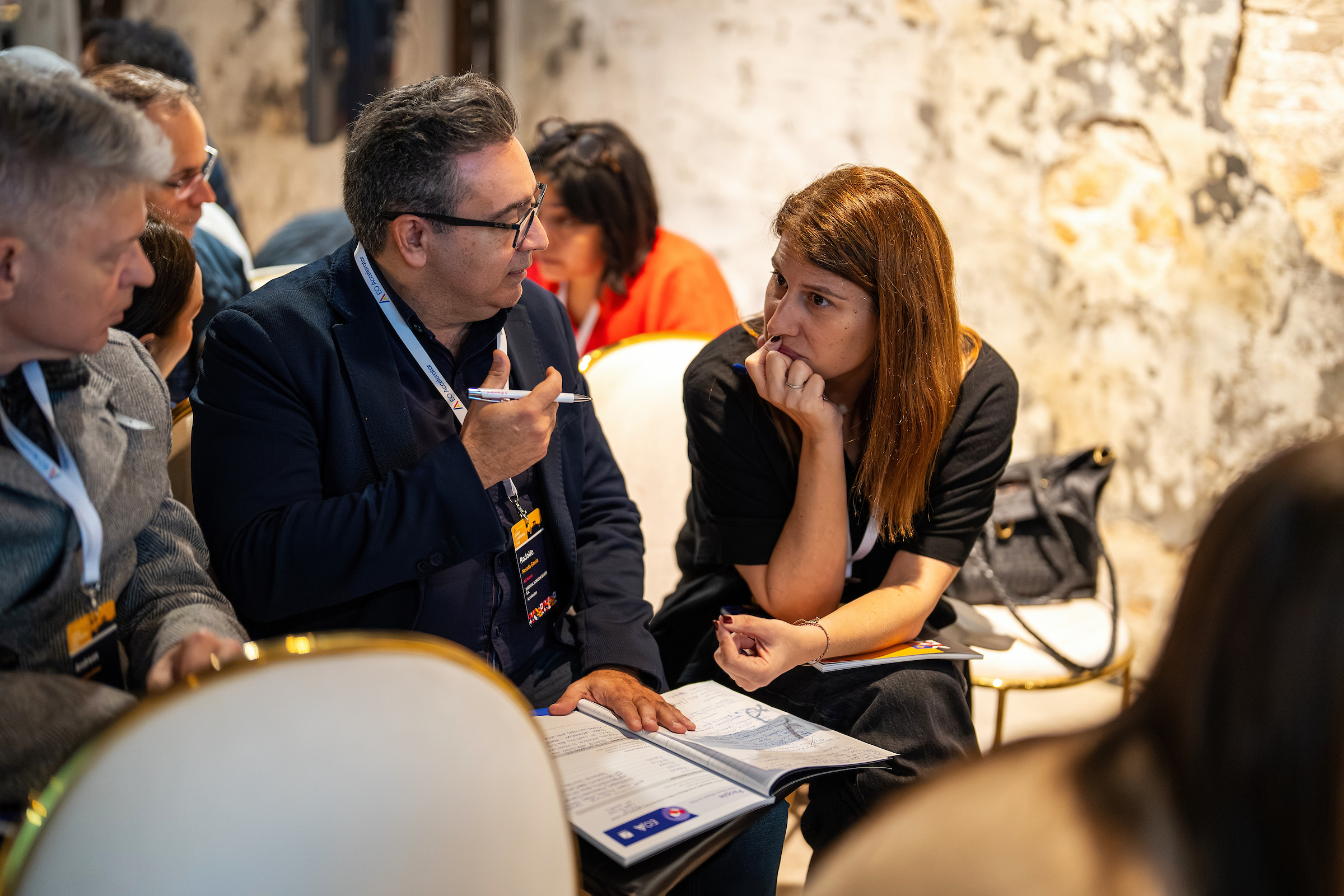
EO members reviewing financial metrics together
Five numbers every founder must know
Metric Why It Matters
Cash runway How many months can you operate at your current burn rate?
Gross margin Does your business model actually work at scale?
Customer acquisition cost (CAC) Are you spending more to acquire customers than they are worth?
Cash conversion cycle How long between spending cash and collecting it?
Break-even point Exactly how much revenue covers every fixed cost?

If you cannot answer all five of these questions within 60 seconds, you are operating without full visibility. Your accountant reports on the past. Building real-time financial infrastructure, whether through a fractional CFO, a controller, or clear dashboards, gives you the forward-looking clarity that separates businesses that scale from those that stall.

Start early. Entrepreneurs who build financial discipline in the startup phase do not have to unlearn bad habits when revenue starts to grow.

Create Systems That Scale

At some point, every growing business hits a wall. Not because the founder is not talented or working hard enough, but because the business is running on the founder’s memory, instincts, and heroics rather than on repeatable systems.

Chris Kirksey (EO Austin) wrote about building effective business systems, describes the moment he recognized the problem: “There came a time when I realized that I had to break out of the ridiculous cycle of running my business day-to-day with a cloud of chaos hovering overhead.”

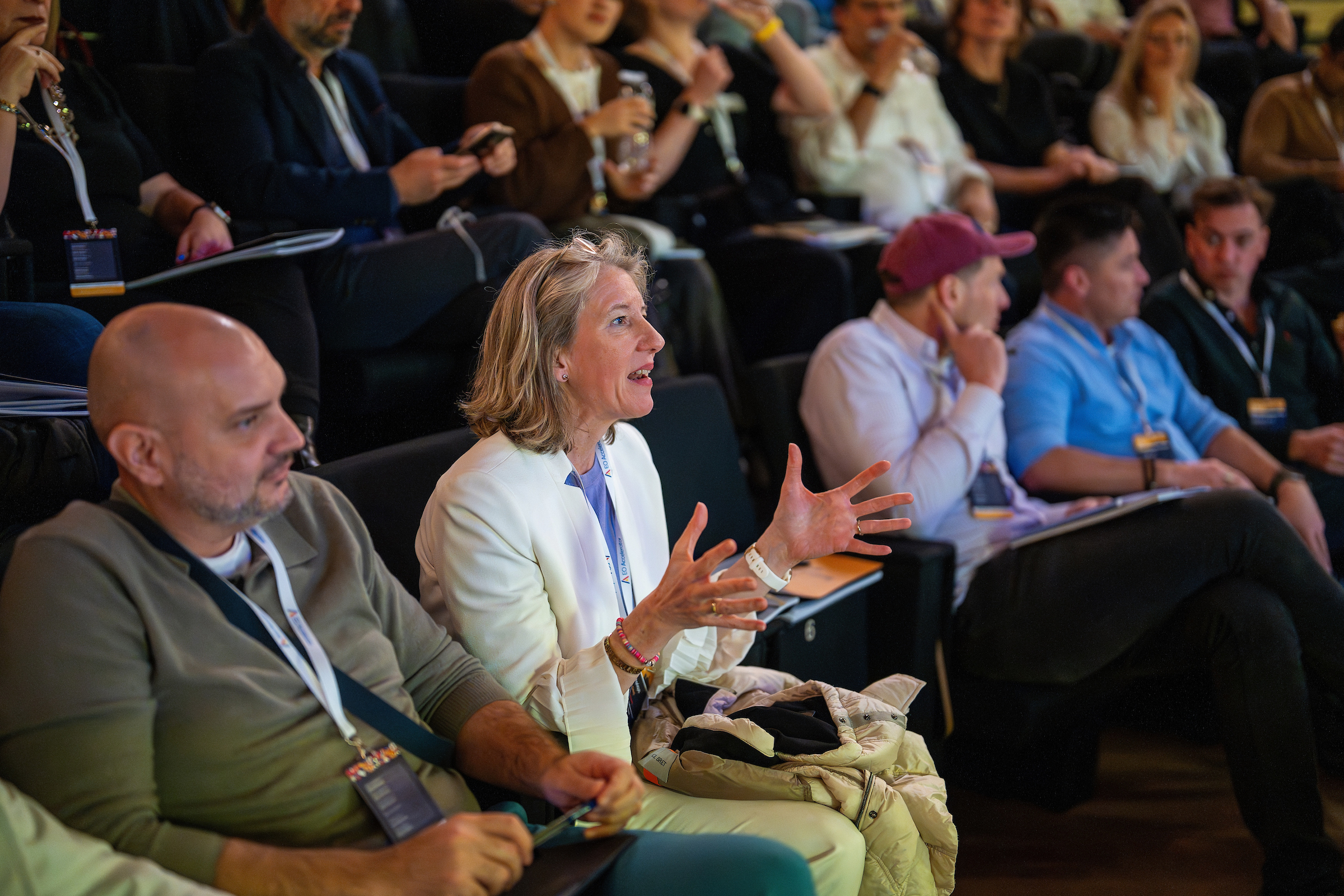
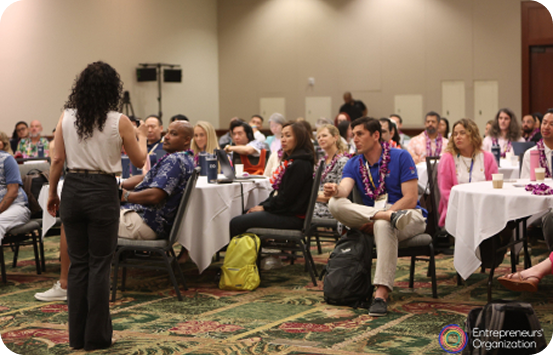
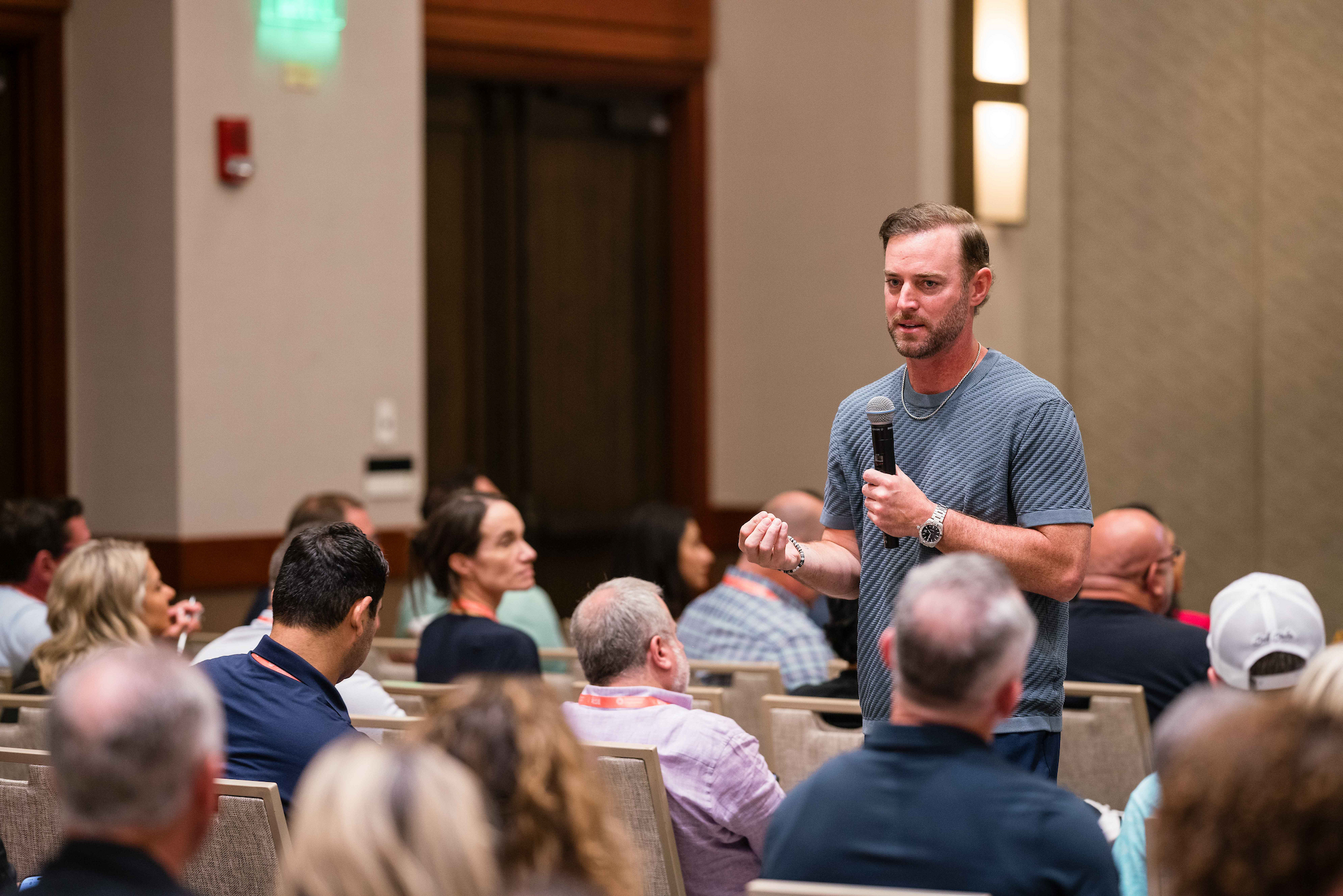
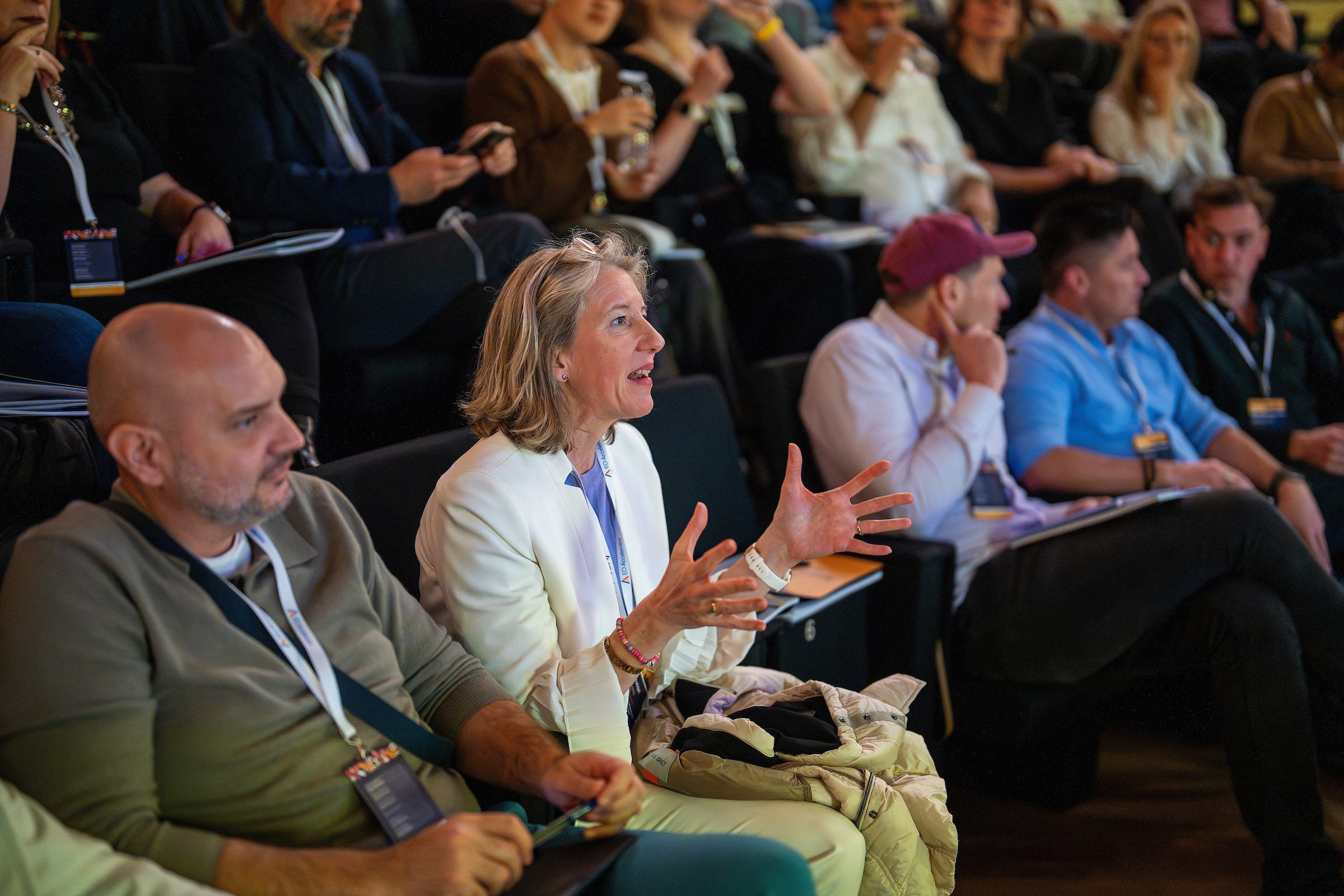
EO member presenting to a room of entrepreneurs
EO member speaking to a room of entrepreneurs

Hire and Lead the Right People

No entrepreneur builds a significant business alone. At some point, growth requires you to hire people who are better than you in specific areas, trust them with real responsibility, and lead them effectively enough that they want to stay.

Hiring too fast depletes cash. Hiring too slow stalls growth. Hiring the wrong people costs far more than the salary. If you are considering how to hire for startups, the guidance below will help you balance speed, fit, and runway.

Building a team that performs

  • Hire for culture fit and coachability first, skills second. Skills can be developed; values cannot be installed.
  • Define roles before you post jobs. Know exactly what success looks like in the role before you start interviewing. Vague job descriptions attract misaligned candidates.
  • Invest in your people. Growth-oriented entrepreneurs treat employee appreciation as a strategic priority, not a soft benefit. Retention is cheaper than recruitment.
  • Lead instead of managing. The transition from founder to leader is one of the most difficult shifts in entrepreneurship. It requires letting go of execution and focusing on vision, culture, and empowering others to perform.
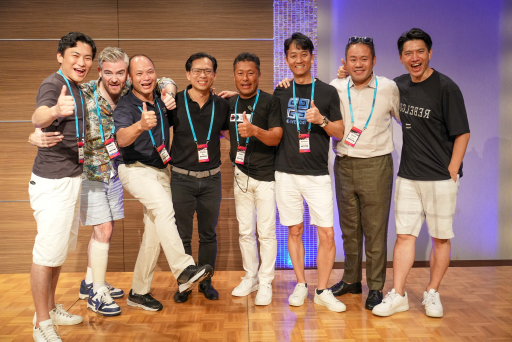
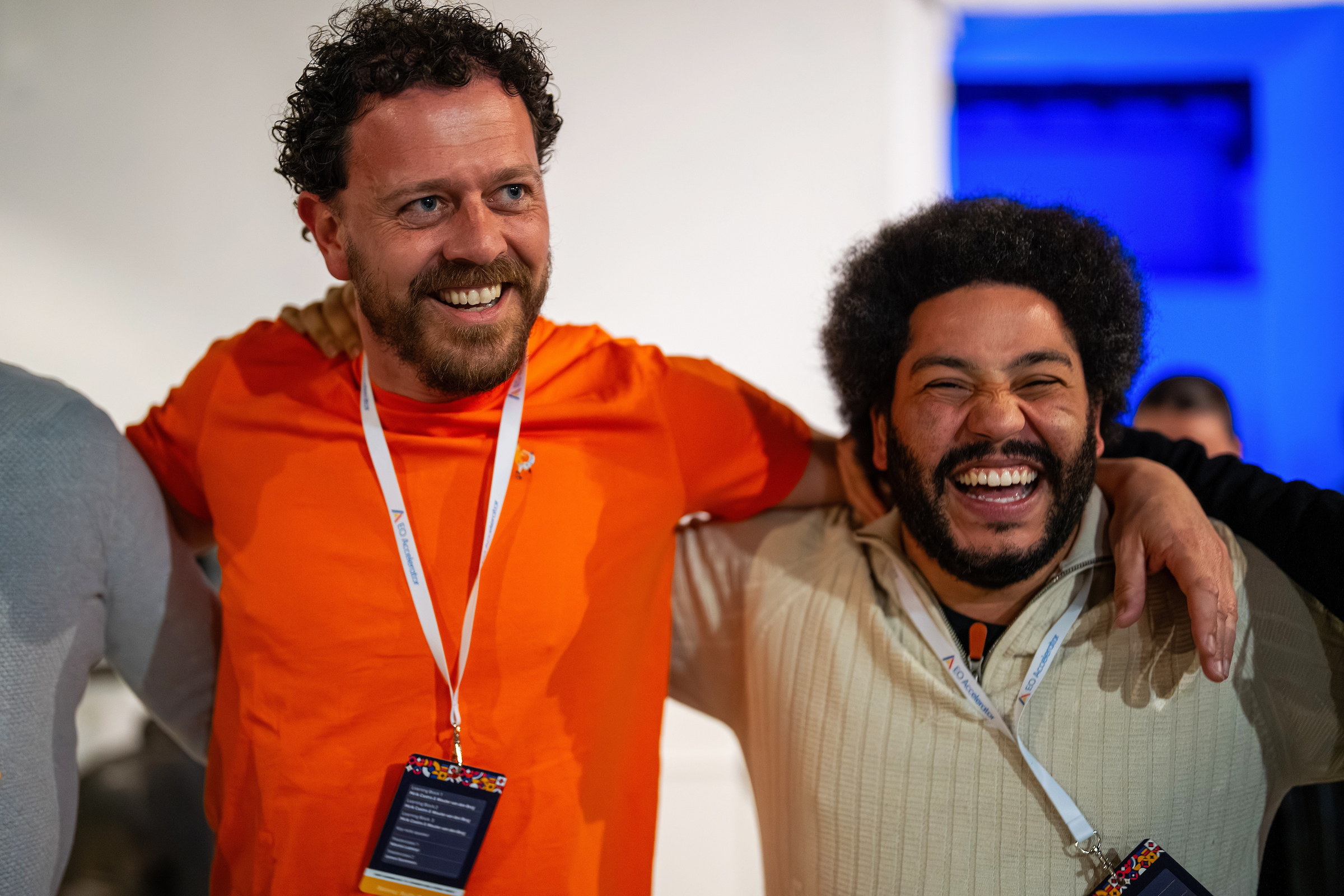
EO members celebrating together
EO members supporting one another

The loneliness factor

Leadership at the top can feel isolating. Wandia Chiuri (EO San Francisco) reflected on the reality of leadership loneliness: “The more success you achieve, the fewer spaces exist where you can stop performing and just exhale.” Building community with other founders is essential to sustainable leadership.

Grow Your Revenue and Your Brand

Revenue growth requires a deliberate strategy: knowing which customers to pursue, how to reach them, and how to convert and retain them at a cost that keeps your margins healthy.

At the same time, brand matters more than most early-stage founders realize. Your brand is the reason a customer chooses you over a competitor with a similar offer. It is the story your business tells, consistently, across every touchpoint.

Revenue growth fundamentals

  • Know your sales process. Understand each stage of your pipeline, from awareness to close, and identify where prospects drop off. Fix the leakiest stage first.
  • Focus on customer retention alongside acquisition. It often costs five-to-seven times more to acquire a new customer than to retain an existing one.
  • Develop strategic alliances. Transforming casual connections into formal partnerships can open new markets and revenue streams without the full cost of direct sales.

Your brand is the consistent promise you make to your market and the experience you deliver against it. Consistency is the foundation of a recognizable, trusted brand. Early-stage businesses that invest in brand clarity grow faster because their marketing dollars work harder.

The bottom line: Revenue and brand reinforce each other. Strong brands close deals faster, at better margins, with less friction.

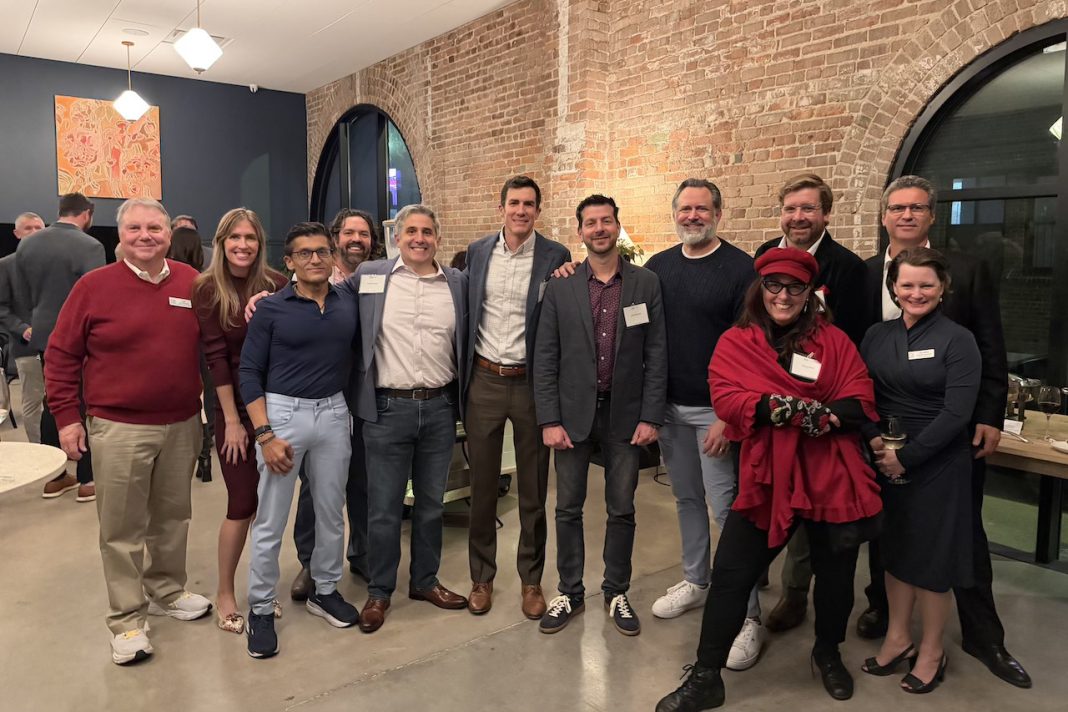
EO members celebrating together
EO members meeting together

How EO Can Help You at Every Stage

Building a business is hard. Building one without a trusted community around you is harder. That is the core insight behind the Entrepreneurs' Organization (EO): a global, not-for-profit community of more than 20,000 business founders and owners across 220+ chapters in over 100 countries, founded in 1987 to help entrepreneurs unlock their full potential.

Wherever you are in your journey, EO has a path for you.

EO Accelerator: For Entrepreneurs on the Way to US$1 Million

If your business generates between US$250,000 and US$999,999 in annual revenue, the EO Accelerator program was purpose-built to help you.

EO Accelerator is a structured, year-long learning experience designed to help early-stage entrepreneurs scale to the US$1 million milestone and beyond. The program operates in more than 100 chapters globally and is built around four quarterly pillars:

EO Accelerator participants together
Quarter Focus What You Will Learn
Q1 Cash Strategies to accelerate cash flow and fund growth
Q2 Strategy How to build a brand promise and drive sustainable revenue
Q3 People How to attract and retain top talent
Q4 Execution Tightening habits to improve margins and reduce time to completion

Beyond the curriculum, Accelerator participants join small Accountability Groups for peer-driven goal-setting and gain access to experienced EO member mentors. Graduates who reach US$1 million in annual revenue are eligible to transition to full EO membership.

“EOA allowed me to grow my professional network in multiple ways… It also gave me the opportunity to open myself to new people who have become very close to my inner circle. It was an incredible experience that shaped a lot of my current mentality.” — Alejandro Zelaya (EO Guatemala), EOA Graduate

EO members celebrating together

EO Membership: For Entrepreneurs at US$1 Million and Beyond

Once your business crosses the US$1 million annual revenue threshold, you are eligible for full EO membership. EO members gain access to:

  • Forum: Confidential peer groups of 6-10 fellow entrepreneurs who understand your challenges and hold you accountable.
  • MyEO: Member-initiated communities and events aligned with your specific interests and goals.
  • Executive Education: Exclusive access to world-renowned business education institutions.
  • Global Events: EO Explorations, EO Universities, and the annual Global Leadership Conference, connecting you with more than 20,000 members worldwide.
  • Path of Leadership: A structured leadership development program that allows EO members to train, learn, lead and grow from local chapter leadership to regional and global roles.

"Learning becomes the rocket fuel for growth. Embarking on the Path of Leadership within EO has transformed who I am, how I grow my business, and how I look at the world. I dream bigger than I ever have."

- Kate Holden (EO Winnipeg)
Kate Holden
Kate Holden

“EOA allowed me to grow my professional network in multiple ways… It also gave me the opportunity to open myself to new people who have become very close to my inner circle. It was an incredible experience that shaped a lot of my current mentality.”

— Alejandro Zelaya (EO Guatemala), EOA Graduate

Frequently Asked Questions About Executive Peer Groups (EO Forums)

What is the most important first step in growing a business from scratch?

The most important first step is validating that your idea solves a real problem people will pay to solve. Before investing significant time or money, talk directly to potential customers, test your concept with a minimum viable product, and confirm there is genuine demand. Skipping validation is the most common and costly mistake early-stage entrepreneurs make.

How do I know if my business is ready to scale?

Your business is ready to scale when three conditions are met: you have consistent, repeatable revenue; you have documented systems that do not depend entirely on you to function; and you have a clear understanding of your unit economics, meaning what it costs to acquire and serve a customer relative to what they are worth. Scaling before these conditions exist typically amplifies problems rather than growth.

What revenue milestone qualifies me for EO membership?

Full membership in the Entrepreneurs' Organization requires at least US$1 million in annual gross revenue. If your business has not yet reached that threshold, the EO Accelerator program is designed for founders generating between US$250,000 and US$999,999 in annual revenue, with a structured curriculum to help you reach and surpass the US$1 million mark.

How long does it typically take to grow a business to US$1 million in revenue?

There is no universal timeline. Many businesses reach US$1 million in revenue within three to five years; others take longer depending on industry, business model, and market conditions. What consistently separates faster-growing companies is early financial discipline, a scalable system for customer acquisition, and a strong founding team. Peer accountability and mentorship, such as what EO Accelerator provides, also measurably accelerate the journey.

Is entrepreneurship a lonely experience?

It can be, and many founders report that isolation is one of the most underacknowledged challenges of building a business. The antidote is intentional community: finding peers who understand the founder experience. That is a core reason EO and EO Accelerator exist.

What are the biggest mistakes entrepreneurs make when growing a business?

The most common growth-stage mistakes include: ignoring cash flow until it becomes a crisis; hiring too quickly without clear role definitions; scaling operations before systems are in place; neglecting brand consistency; and trying to grow without peer support or mentorship. The good news is that all of these are preventable with the right knowledge and community around you.

How can I validate my business idea quickly without building the full product?

Start with direct conversations and simple tests. Speak with at least 20 potential customers to understand their pain points, current workarounds, and what they would actually pay for. Build a minimum viable product—like a landing page, a pilot service, or a small batch—to learn faster than months of planning. Define your target market specifically and look for clear signals of demand and differentiation. If customers do not clearly value your unique angle or will not commit, refine the concept before investing more.

Which financial numbers should I track from day one, and why?

Know your cash runway, gross margin, customer acquisition cost (CAC), cash conversion cycle, and break-even point. Together they tell you how long you can operate, whether your model works at scale, if you are acquiring customers profitably, how fast cash returns, and exactly when you cover fixed costs. If you cannot answer these within 60 seconds, build forward-looking financial infrastructure—dashboards, a controller or fractional CFO—so you can make decisions with clarity instead of reacting to surprises.

Are there different types of EO peer groups?

Yes. Alongside core EO Forums, EO offers additional Forum types tailored to different stages and roles, such as key executives and spouses/partners, so more people around an entrepreneur can access the same kind of peer support.

What systems should I build first to unlock growth?

Begin with the processes that touch customers most: sales, delivery, and customer service. Document what currently works, identify bottlenecks, and turn it into simple, repeatable workflows. Well-designed systems improve efficiency, ensure consistency, simplify decision-making, strengthen communication, and accelerate onboarding—shifting your company from founder heroics to scalable execution.

How do I hire the right people without burning my cash?

Balance speed, fit, and runway by hiring for culture fit and coachability first, and defining roles—and success criteria—before you post jobs. Invest in your people so retention stays high; it’s cheaper than constant recruitment. Build systems that accelerate onboarding to make new hires productive faster and reduce the cost of growth. As you scale, shift from doing to leading: set vision, shape culture, and empower others with real responsibility.

What is the difference between EO Accelerator and full EO membership, and how do they support growth?

EO Accelerator is for founders generating US$250,000–$999,999 in annual revenue. It is a structured, year-long program run in 100+ chapters, organized around quarterly pillars—Cash, Strategy, People, and Execution—with Accountability Groups and access to EO mentors to help you reach US$1 million. Full EO membership begins at US$1 million in revenue and includes Forum (confidential peer groups), MyEO communities, Executive Education, global events, and leadership development. Both provide the trusted peer community and perspective that reduce founder loneliness and accelerate growth.

Next Steps: Learn More and Apply to Join EO

If you are an entrepreneur who values growth, perspective, and trust — and wants conversations you cannot have anywhere else — EO may be the right peer community.

What are the next steps?

EO is a community by entrepreneurs, for entrepreneurs that is purpose-built to help individual leaders grow, contribute, and unlock greater leadership potential. It was founded by entrepreneurs in 1987 and is still led by member entrepreneurs today. We welcome ambitious business owners from any industry, culture, generation, and geography. Find true belonging in EO, and become even more.