
 Login
Login


How An Employee Ownership Trust Made It Possible to Exit on My Terms
August 19, 2026
Published in:
After three decades of building her company, Miren Oca realized she was not interested in the highest bidder; she wanted the best steward to guide the company forward. Her journey to employee ownership through an Employee Ownership Trust (EOT) offers founders an exit path designed to preserve culture, purpose, and opportunity for the people who helped build the business.
After spending years building your company, exiting is one of the most complex and consequential decisions an entrepreneur will make. To support members on their exit journeys, EO Women will host an Exit Strategy Roundtable on 27 August. The interactive virtual event will showcase first-person perspectives about multiple different exit options so members who are considering their exit strategy can learn from the personal experience of others.
Miren Oca, an EO South Florida member who exited her business in 2024 through an Employee Ownership Trust, is one of the featured speakers for the Exit Strategy Roundtable. We asked Miren to share her journey ahead of the event:
Why I Started My Company
When I started Ocaquatics in 1994, I wasn't thinking about an exit strategy. I was 22 years old, teaching swimming lessons because I loved helping children become safer around the water. I was also a single mother with a young toddler who needed to make ends meet. I had no investors, no grand business plan, and certainly no vision that one day we would become what we have grown into today.

Over the next three decades, Ocaquatics grew into five purpose-built indoor swim schools, more than 160 team members, and over 3 million swim lessons taught. While I am proud of that growth, what I'm most proud of is the culture we built together.
Long before we became employee-owned, our purpose was simple: To make a positive difference for our team, our families, our community, and our planet. That purpose guided many of the decisions we made over the years.
How EO Impacted My Journey
I became a member of EO in September 2017. Through EO, I connected with incredible entrepreneurs around the world who use business to solve meaningful problems. My company became a Certified B Corporation in 2022 because we believed business could be a force for good.
I have since become involved with EO groups that help members pursue B Corp certification, and I love seeing more founders embrace that framework. I think B Corp is an incredible model for values-aligned entrepreneurs who want to demonstrate that profit and purpose can absolutely coexist.
EO has had an enormous impact on my journey as a leader. My Forum has challenged me, supported me through difficult decisions, and helped me become a better entrepreneur. Some of my biggest breakthroughs have come from sitting in a room with my fellow Forum members who asked me better questions than I was asking myself.
One of those questions eventually became: “What happens to this company when I'm no longer leading it?”
People often assume founders begin thinking about succession when they are ready to retire.
That wasn't true for me.
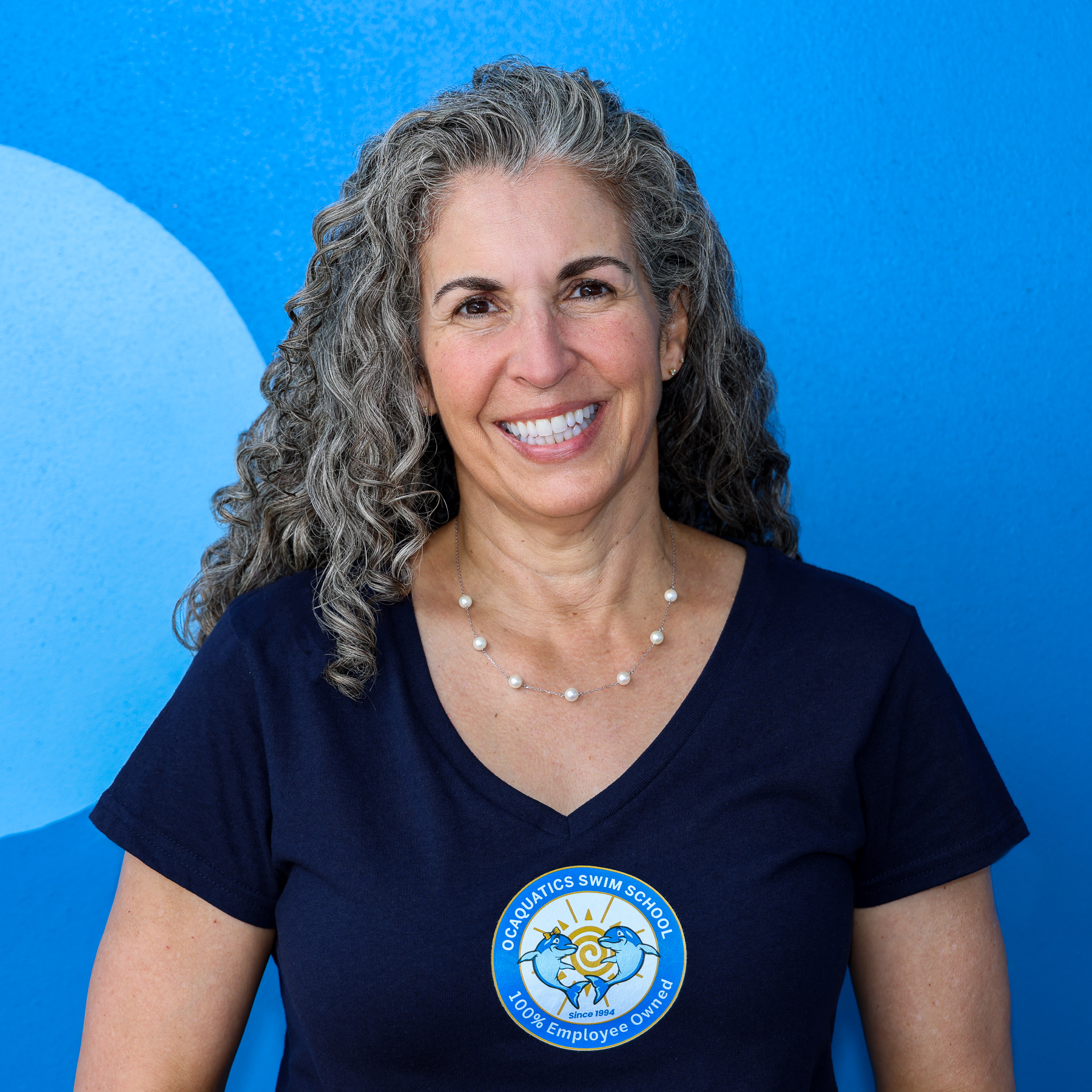
My Exit Strategy Journey
I was first approached by a private equity firm that wanted to buy my company in June 2014.
Around that same time, my son, who had grown up in the business and worked alongside me for years, made it clear that he didn't want to run "Mom's company."
While that was a difficult conversation, it was also an important one. It forced me to realize that family succession wasn't the future, as I had imagined.
Over the following years, I met with private equity firms and explored traditional exit options. Every conversation left me with the same feeling: They were buying a business.
Yet I was trying to protect something much bigger.
I wasn't just thinking about revenue or valuation. I was thinking about 30 years of relationships. About the team members who helped build the company. About our purpose. About our community. About whether Ocaquatics would still feel like Ocaquatics 10 years after I stepped away.
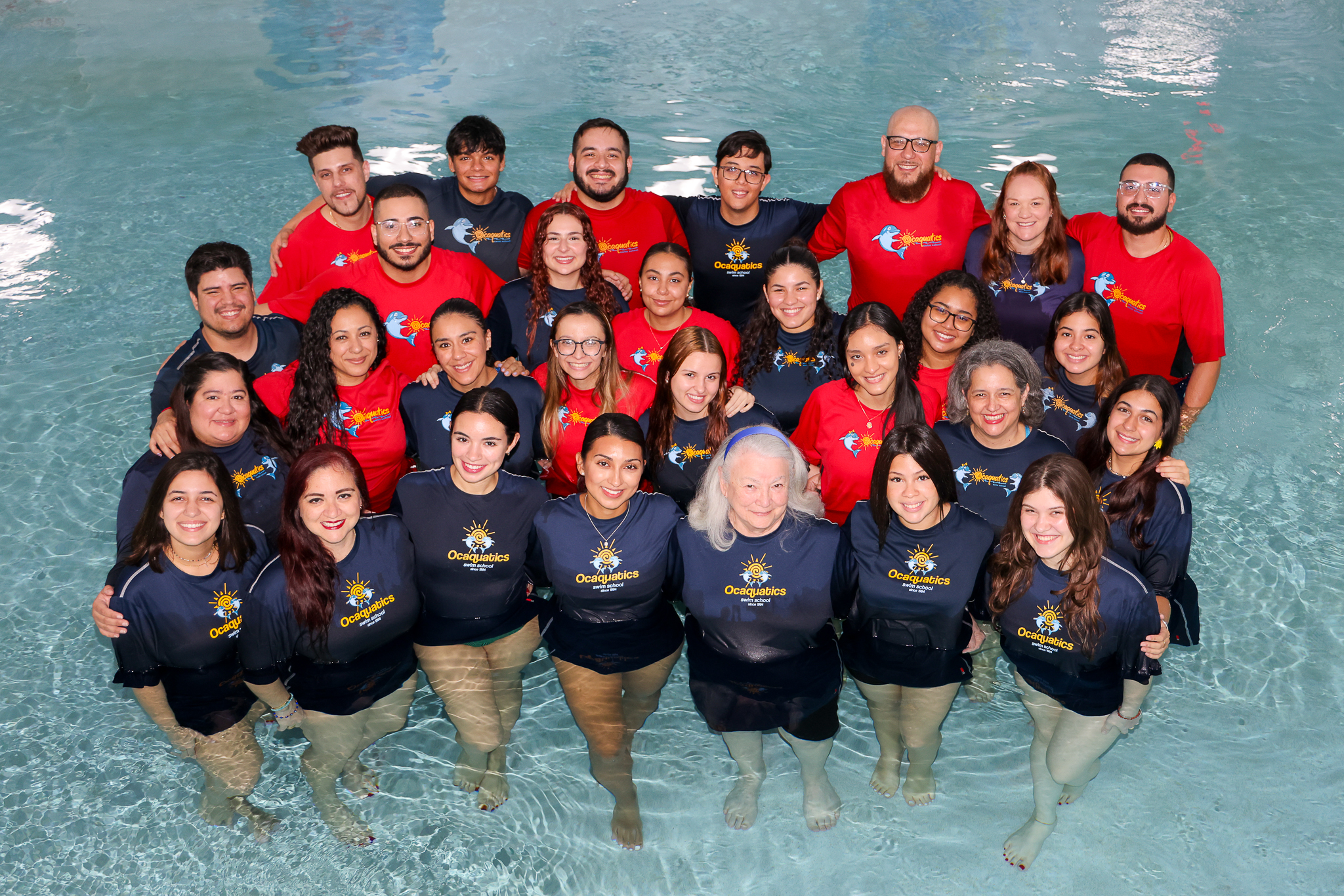
How The Pandemic Changed My Perspective
Then March of 2020 happened. Like so many businesses, we were forced to close our doors overnight.
On March 13, I had to lay off 100 part-time team members. It remains the hardest day of my professional life.
For the first time, I experienced what it might feel like to lose the business I had spent my life building. I was not sure when we would be allowed to reopen, or if we would survive. But we stuck together as a team, and when we were finally allowed to reopen three months later, 98 percent of our team came back.
That experience changed me. People didn't come back because of a job. They came back because of each other. They came back because they believed in what we had built together.
I realized something I hadn't fully appreciated before: I was exploring succession options. But maybe this was even more important.
I was not just looking for a buyer. I was searching for alignment. And that eventually led me to broad-based employee ownership. I wanted the people who had helped build Ocaquatics to share in its future success.
Once I became clear on that goal, I started researching every employee ownership model I could find.
I explored worker cooperatives. I explored Employee Stock Ownership Plans (ESOPs). Both are incredible ownership models that create life-changing opportunities for employees. But as I dug deeper into how each one worked, neither felt like the right fit.
Finding the Right Fit: An Employee Ownership Trust
Then I discovered the Employee Ownership Trust (EOT).
Honestly, I was surprised I had never heard of it. The more I learned, the more I realized it wasn't simply another ownership model. It was the one that aligned with everything I was trying to accomplish.

"I wasn't interested in the highest bidder; I was looking for the best steward for my company."
— Miren Oca, EO South Florida
Instead of concentrating ownership in the hands of another buyer, the trust owns the company on behalf of eligible employees. Team members don't have to purchase shares or take on personal financial risk. Instead, they become beneficiaries of the trust and share in the company’s long-term success.
For me, the EOT checked every box:
- It rewarded the people who had helped create the company's success.
- It protected the purpose and culture we had spent three decades building.
- It allowed the company to remain independent and locally rooted.
- It gave me confidence that Ocaquatics could continue creating positive impact long after I was gone.
I wasn't interested in the highest bidder; I was looking for the best steward. In the end, I realized the best steward wasn't another company. It was the people who had helped build this one.
On March 1, 2024, Ocaquatics became 100 percent employee-owned through an Employee Ownership Trust, making us — to the best of our knowledge — the first swim school in the world to make this transition and the first company in Florida to adopt the EOT ownership model.
The legal transaction itself was like a typical M&A transaction. It required thoughtful legal, financial, tax, and governance planning. But the idea behind it is beautifully simple: Create a structure that allows the company to continue benefiting the people who help create its success while protecting its purpose for generations to come.
Today, Ocaquatics is owned by the trust on behalf of our eligible employee-owners. An independent trustee has the responsibility of ensuring the trust operates for the benefit of those employee-owners while protecting the company’s long-term purpose. I serve as the trust protector for now.
When we announced the transition to our team, there was plenty of confusion at first. Employee ownership wasn't something most people had ever heard of. As we explained the trust, answered questions, and talked about what ownership truly means, confusion gradually turned into excitement, pride, and possibility. We continue investing a great deal of time helping our employee-owners understand what this means, because ownership isn't just a legal document.
It's a mindset.
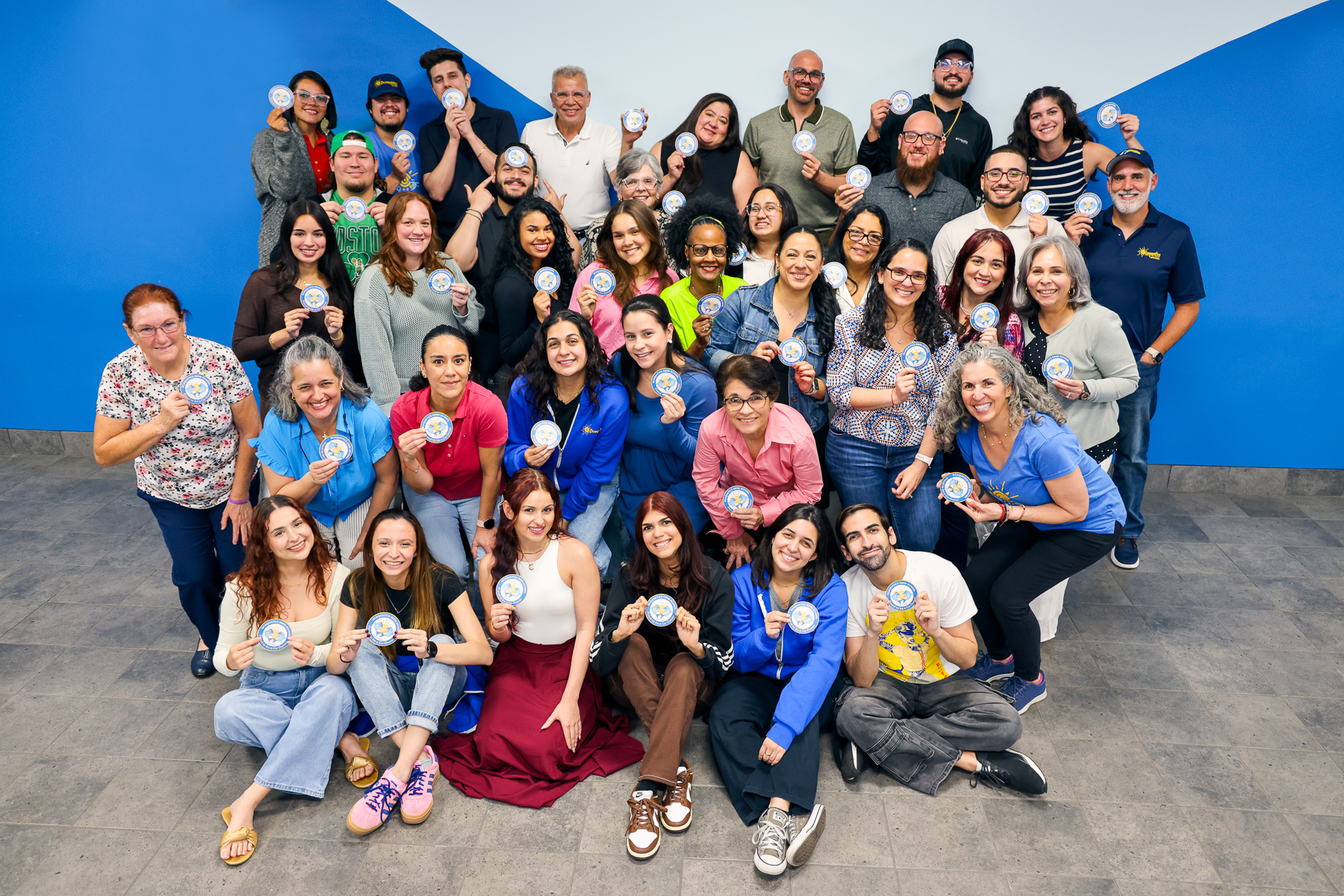
Life After the Transition
I'm still the CEO of Ocaquatics, but I see my role differently today.
The ownership transition is complete. Now, I have the opportunity to focus on the leadership transition.
I've had the privilege of leading this company for 32 years, and I still have a few more years in me. During this next chapter, my responsibility is to continue developing our leaders, strengthening our culture, and preparing the next generation to carry the company forward.
I no longer think of myself simply as the owner. I think of myself as the steward. My goal is to ensure Ocaquatics is even stronger when I eventually hand over the leadership role than it was when I transferred ownership.
Why an EOT Instead of an ESOP?
People often ask whether an Employee Ownership Trust (EOT) is better than an Employee Stock Ownership Plan (ESOP).
I don't think that is the right question. They are both outstanding ownership models. ESOPs have helped thousands of companies create employee ownership with an incredible track record. Worker cooperatives have also created meaningful ownership opportunities for countless employees.
The EOT simply turned out to be the best fit for Ocaquatics.
One of the reasons is that an EOT is built on the framework of a Perpetual Purpose Trust. The trust doesn't simply hold ownership on behalf of employees; it also protects the long-term purpose of the company. That was incredibly important to me because I wasn't just thinking about who would own the business after I was gone. I was thinking about how we could preserve the mission, culture, and values that had guided us for more than three decades.
For me, succession wasn't only about transferring ownership. It was about protecting purpose. The important thing isn't choosing one ownership model over another — it’s that founders know these options exist.
Too many entrepreneurs believe they only have a few paths available when it's time to exit.
I certainly did.
I want founders to know there are alternatives that can preserve culture, protect purpose, keep businesses locally rooted, and create opportunities for the people who helped build them.
My Message for the EO Women Exit Strategy Roundtable
At the EO Women Exit Strategy Roundtable, I hope to encourage founders to start thinking about succession much earlier than they think they need to.
An exit strategy is not just another financial transaction; it is one of the most important leadership decisions you will ever make as a business owner.
I don't believe employee ownership is right for every company, just as I don't believe private equity is wrong for every company. Or family succession. Or selling to a strategic buyer. There is no one-size-fits-all solution.
Every founder has different goals, different values, and different circumstances to consider.
But I do believe every founder deserves to understand all of their options before making one of the biggest decisions of their entrepreneurial journey.
For me, the question that changed everything wasn't, "Who should own my company?"
It became, "Who should benefit from the value we created together?"
That one question changed the way I thought about succession.
What's Next?
Today, I'm still leading Ocaquatics while also spending more time speaking with entrepreneurs around the world about ownership, succession, stewardship, and purpose-driven business.
Over the next decade, millions of founders will decide what happens to the companies they've spent their lives building. Those decisions won't just determine who owns businesses. They will determine:
- Where opportunity flows
- Where wealth is created
- Who benefits from that wealth
- Whether companies remain rooted in the communities that helped build them
- And, whether purpose survives beyond the founder
I believe we are standing at one of the most significant moments in the future of entrepreneurship. Not because millions of businesses will change hands, but because millions of founders have the opportunity to rethink what ownership can look like.
In my exit strategy journey, I was searching for alignment between ownership and purpose. Alignment between the people who helped create the value and the people who would benefit from it.
For Ocaquatics, that alignment was an Employee Ownership Trust. While I don't believe it's the right answer for every company, I do believe every founder deserves to know it's an option.
If sharing our story helps even one entrepreneur discover a succession path they didn't know existed, then every conversation is worth having.
Interested in attending EO’s Exit Strategy Roundtable on 27 August from 9-10am ET (1-2pm UTC)? It’s free for EO members; simply sign up and be ready with your questions for founders who have already walked the path successfully.
Contributed to EO by Miren Oca, an EO South Florida member who is the founder and trust protector of Ocaquatics.
Additional posts of interest:
- Exiting via ESOP: How One Entrepreneur Embraced This Tax-Smart, Legacy-Building Alternative to Private Equity
- How EO's Navigating Your Exit Helps Entrepreneurs Prepare
- Before You Exit: What I Wish Someone Had Told Me About Life After the Deal
- Life After Exit: Why Entrepreneurs Need a Post-Sale Strategy
- 8 Tips to Reinvent Yourself After a Successful Business Exit
- After a Successful Exit, One Entrepreneur Embraces the Discomfort of Reinvention