
 Login
Login


The Gift of Receiving: A Leader Leans on His Community Amid a Health Crisis
March 19, 2026
Published in:
EO Global Board Director Rom LaPointe (EO Detroit) reflects on a kidney transplant, a community that refused to let him quit, and the hardest lesson an entrepreneur can learn: how to accept help.

Rom LaPointe had always known this day would come. His father and grandfather had both died in their early 60s from polycystic kidney disease, a hereditary genetic disorder. The condition had cast a shadow over his adult life, driving him to become a vegetarian at 40, to stop drinking, to monitor his blood pressure obsessively, and to control everything he could control, knowing the one thing he could not was encoded in his DNA.
Still, when Rom went for a routine checkup in 2023 at age 54, he expected good news. Instead, his doctors told him his numbers had fallen off a cliff. He was already in asymptomatic kidney failure. He felt fine but was clinically below the threshold for kidney function. They got him on the transplant list immediately, but the wait for a deceased donor in Detroit was five years. His wife was not a match, and even if she had been, they wanted her to save her extra kidney for his children, who have a 50-50 chance of developing the same disease. He had no other match options in his family.
There was a real possibility that he would need dialysis before a kidney became available.
So, he had to learn how to do the hardest thing anyone can do in business and in life: ask for and accept the help of others.
Luckily, he had gotten a head start.
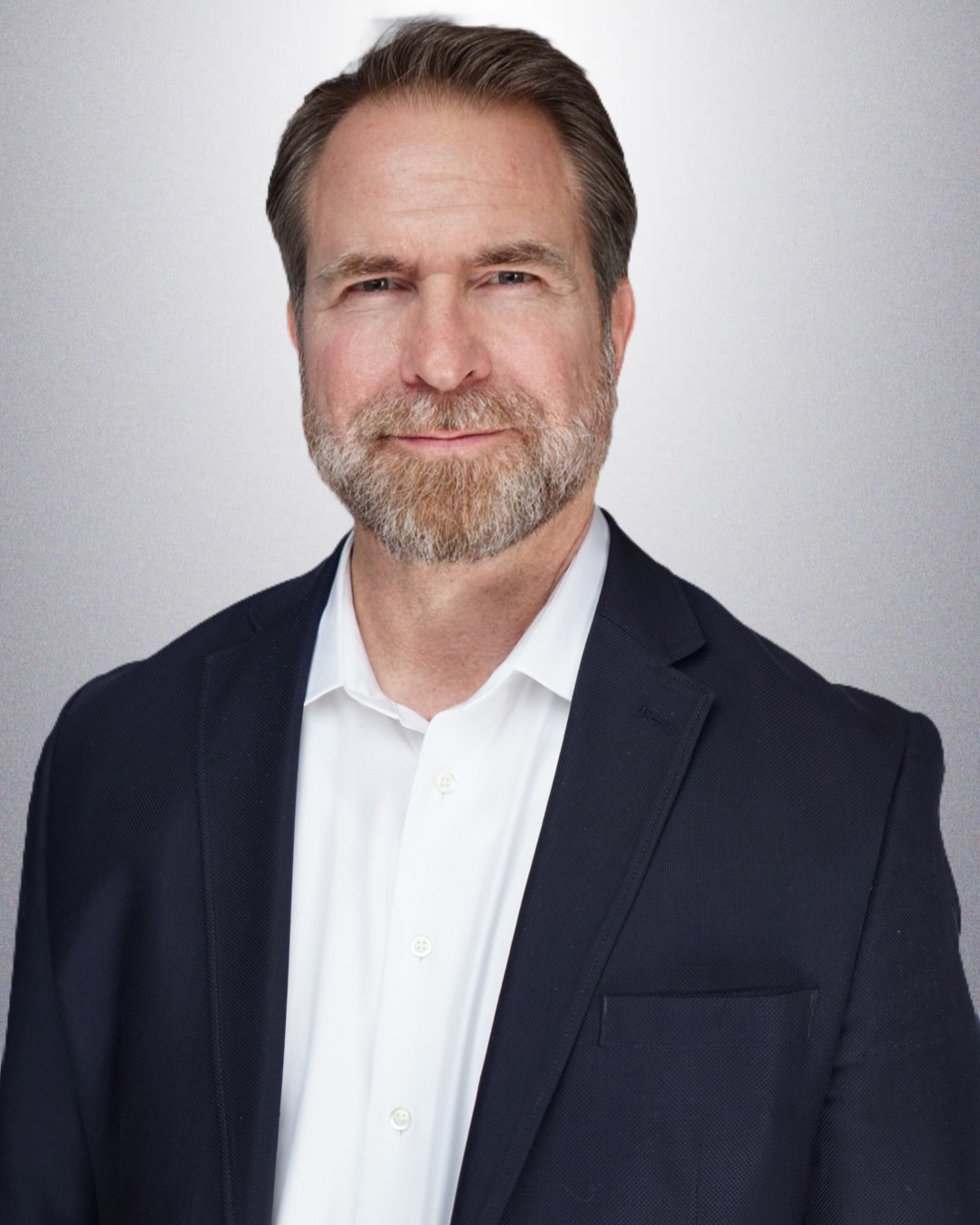
Rom LaPointe (EO Detroit)
Learning to Ask
Rom grew up an only child in Detroit. His father was a factory worker and union member who drove high-lows, and his mother stayed home. Rom went to school for engineering, then landed a position at the Ford Motor Company right out of college. It was a great first job, but the culture gnawed at him. He was told who to go to lunch with and who to avoid. A man in his cube farm played solitaire all day, waiting out his retirement. Rom wanted to make an impact.
He left Ford and rode the early internet wave, leading teams building some of the first HTML-based training platforms. He became a vice president at 27 and a president at 30. He formed his first successful business at 31, then a second, then sold them both and created a third.
By 2006, he had formed a fourth company, a successful e-training firm, but he was quietly drowning with a smile on his face. He felt like the dog that catches the bumper of a car: exhilarated, terrified, and unsure of what to do next. He had just taken out a second mortgage on his house to cover payroll when a friendly competitor mentioned that he was heading to a cabin that weekend with a group of business owners to talk through their challenges. Rom's reaction was immediate: "Oh my God, can I go, too?"
"No," the competitor told him. "It's my Forum. But you can join EO and get your own."
"That safety, the idea that you find your people and get support in ways you did not expect — that really connected the dots."
- Rom LaPointe
So, Rom did just that. In the Entrepreneurs’ Organization (EO), he found a community of leaders experiencing exactly the same struggles he was. They understood the loneliness of building something from nothing and the terror of taking a second mortgage — a remarkably common occurrence, he quickly learned, in order to accommodate rapid growth.
Over the next 17 years, EO shaped how he led his teams and raised his capital. Eventually, he sold his fourth business to create a fifth that failed, then a sixth that has grown every year: Capricorn Leadership, a mid-market coaching practice. Early on, he learned from EO that asking others for help and giving help in return often defined what made entrepreneurs successful.
The future looked bright.
The Ticking Clock
The diagnosis arrived at the worst possible time — or perhaps the best. About a week before his doctors delivered the news that he needed a new kidney, Rom had been selected to join the EO Global Board, the organization's top governing body. The role required significant international travel and intense engagement.
At the board's first meeting, in early 2023 in Tokyo, Rom told his fellow board directors he planned to resign and open the seat for someone else. His doctor had told him he should not be traveling, especially internationally.
"I was crushed," he says. "Deeply discouraged."
However, the Global Board's response was unequivocal: We want you to serve — stay. If you need to attend virtually or skip certain events, we will support you.
That moment, Rom says, crystallized everything he had experienced in EO. "That safety, the idea that you find your people and get support in ways you did not expect," he says. "That really connected the dots." He saw he now had to run his personal life the way EO taught him to run his business — with the humility and gratitude of someone who shows up, not pretending to be the guy who knows everything.
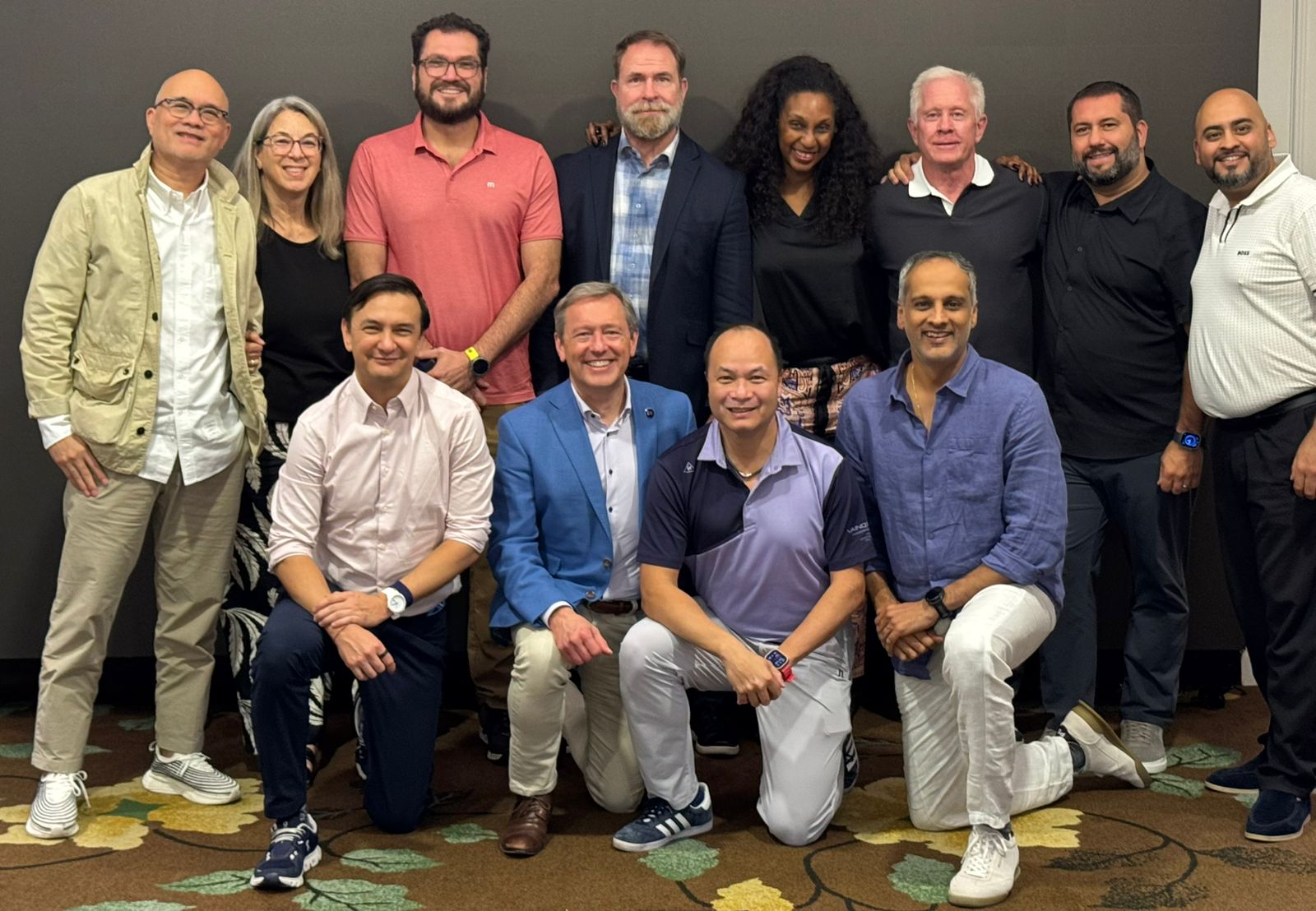 Now in his final year of EO Global Board service, Rom's fellow directors
supported him though his medical challenges.
Emboldened, he began doing something that did not come naturally: Telling people what he was going through. He told his clients and friends, and he leaned on his wife, Kerry, his Forum, and a handful of EO leaders who became his inner circle.
Without hesitation, Rom's Forum stepped in and formed Team ROM.
The Power of Community
Four of his Detroit Forum-mates — Jason Kavanaugh, Mark Winter, Alex Burkulas, and Bob Lenz — joined forces with his wife, Kerry, and Winnie Hart (EO Houston), who had marketing expertise and had served on the EO Global Board.
They created a website, KidneyforRom.com, designed around the National Kidney Foundation's messaging about organ donation: The foundation calls it "the big ask." The site included information about how safe donation is for a donor, why you do not need two kidneys, and how to get screened. A social media push followed, with people sharing, commenting, and reposting. Some knew Rom well. Others had never met him.
The campaign generated hundreds of thousands of impressions. More than 200 people signed up for the Team ROM newsletter. Within six weeks of the website going live, 30 people had volunteered to be screened, more than the hospital had ever received at once.
One of them was Rob Lydic, a former Forum-mate who had moved to Denver. After discovering that he might be a good match, he began the screening process.
Then, in an extraordinary twist, a different door opened. A fraternity brother Rom had not spoken to in 20 years saw one of Kerry's social media posts. He had a connection to Cathy Marinelli, who had tragically suffered a heart attack while on vacation in the Caribbean. She was on life support and had registered as an organ donor. Her family wanted to direct the gift.
After a hasty set of tests, they knew it was a match. The transplant team gave him five minutes to decide.
Rom rushed to the hospital. He needed a scope before the surgery, which required an empty stomach. Rom eats breakfast every morning, always, without fail. But luckily — or perhaps, Rom says, “by providence” — that morning, he had gone straight from an early coffee meeting into a client session without eating. If he had eaten, the scope wouldn’t have been completed, and he would have missed his chance.
Everything went as planned. The kidney was a strong match and began functioning immediately. Rom was standing and walking the same day.
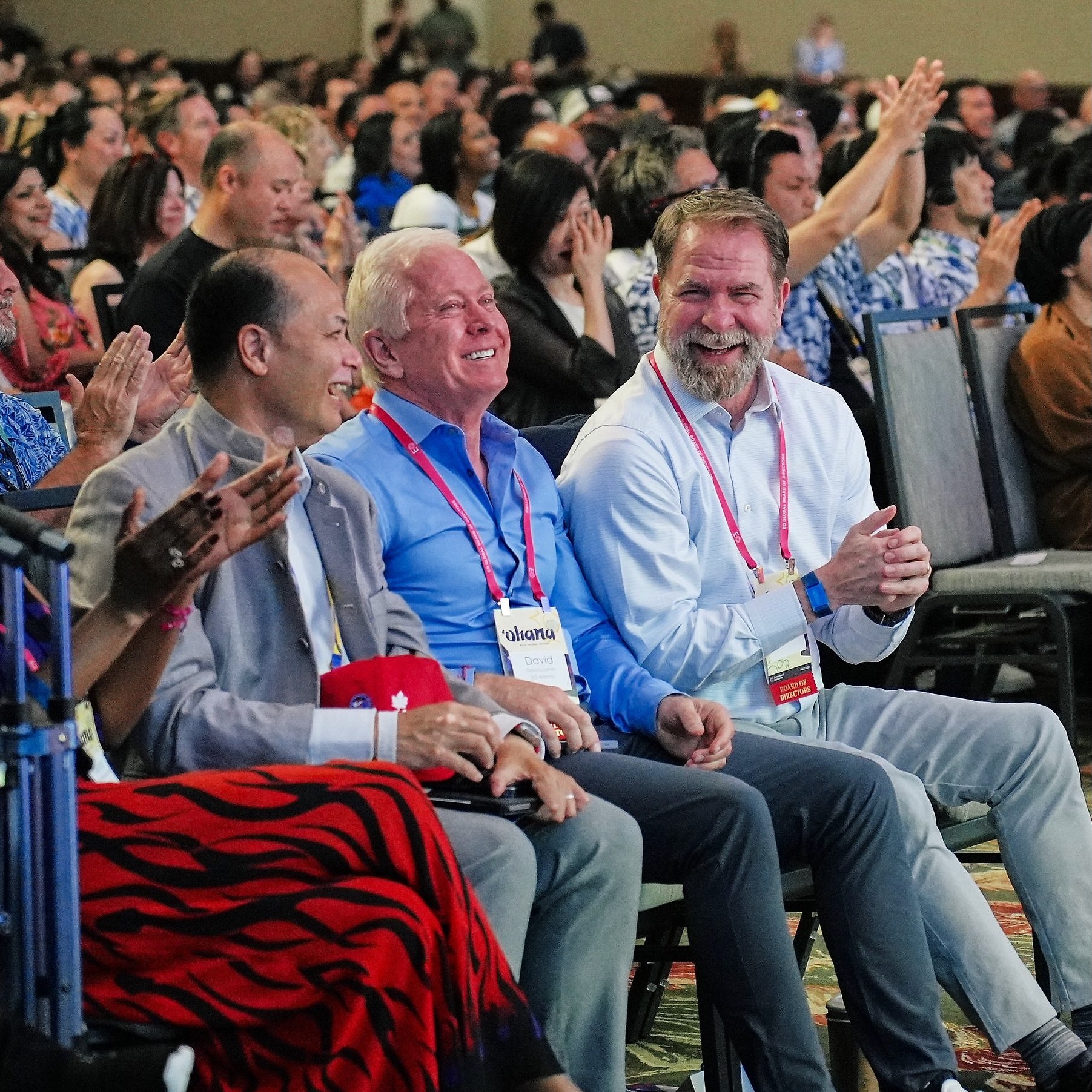
Rom with fellow EO Global Board Directors at the
2025 Global Leadership Conference in Hawaii.
The Gift
Rom will be on immunosuppressive medication for the rest of his life. He monitors his health constantly and maintains the fitness and dietary discipline that helped him delay the disease for as long as he did. His term on the EO Global Board wraps up in June, and he describes himself as being "in the question" about what the next chapter holds.
He is not questioning, though, the lesson the experience taught him. Rom spent decades building businesses, leading teams, and advising other CEOs. He was always the one solving problems, offering direction, and carrying the weight. Accepting help — truly accepting it, not just tolerating it — required a different kind of strength.
That openness has also reshaped how he wants to give back. Rom now serves on the board of the National Kidney Foundation of Michigan, channeling his experience into advocacy for the patients and families still waiting for the call he got.
"In 2023, I received a life-saving kidney transplant, a gift that gave my family and me more time, more moments, and a lot of hope," he says. "Living with chronic kidney disease has taught me how vital awareness, prevention, and donor advocacy truly are. If you have ever considered becoming a living organ donor, please know your gift can literally save someone's life."
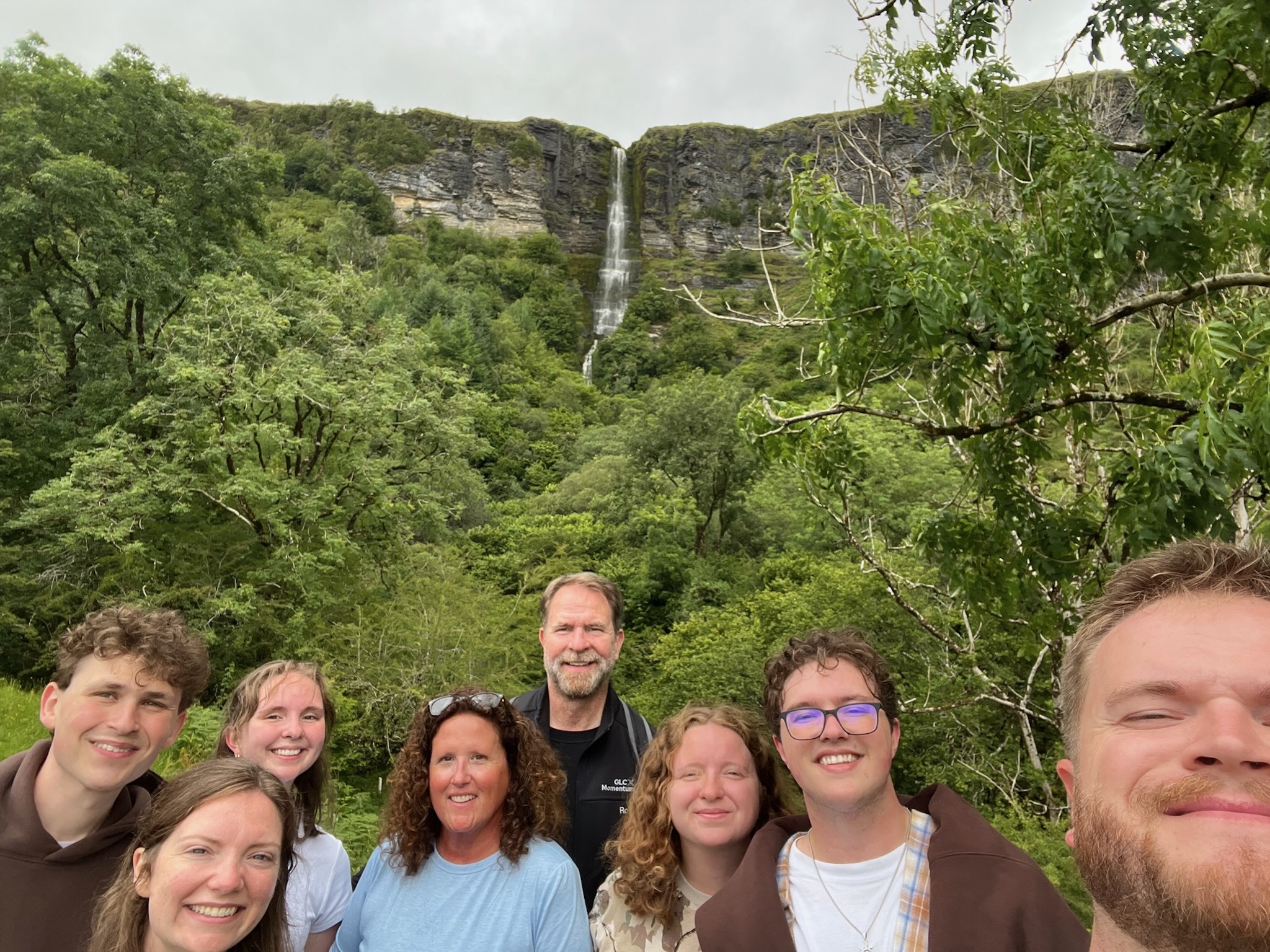
Rom LaPointe is the founder of Capricorn Leadership, a strategic planning and leadership development firm, and a member of the EO Global Board of Directors. He serves on the board of the National Kidney Foundation of Michigan. To learn more about kidney disease prevention, patient resources, or organ donation, visit nkfm.org. Interested in becoming an EO member like Rom? Learn more here.
 More EO Member Journeys

How One Entrepreneur Found Perspective and Persevered Through a Devastating Diagnosis
Successful attorney and Entrepreneurs’ Organization member Mohamed Hashish endured years of surgeries, setbacks, and uncertainty — emerging with a renewed purpose to lead, mentor, and champion others facing adversity.

“Show Up and Love Well”: One Step at a Time, a Mother Overcomes Tragedy
Entrepreneur and EO Reno Tahoe member Jade Bogan faced unrelenting personal grief and unexpected business failure. By leaning on family, community, and fellow EO members, she rediscovered hope.

Data and Defiance: One Woman’s Rise from Obscurity to Silicon Valley Success
Engineer-turned-analyst-turned-entrepreneur Sindhu Srivastava (EO Silicon Valley) built thriving businesses, found belonging in EO, and is now focused on empowering girls to learn to lead.