
 Login


Women's Entrepreneurship Day: Thriving EO Founders Share the Decisions that Changed Their Growth Trajectory
November 11, 2026
Published in:
As we observe Women’s Entrepreneurship Day, EO women founders on the 2026 Inc. 5000 list share the pivotal decisions that reshaped their companies. Their candid reflections reveal how challenging old assumptions, hiring for a bigger future, and embracing calculated risks can unlock extraordinary business growth.

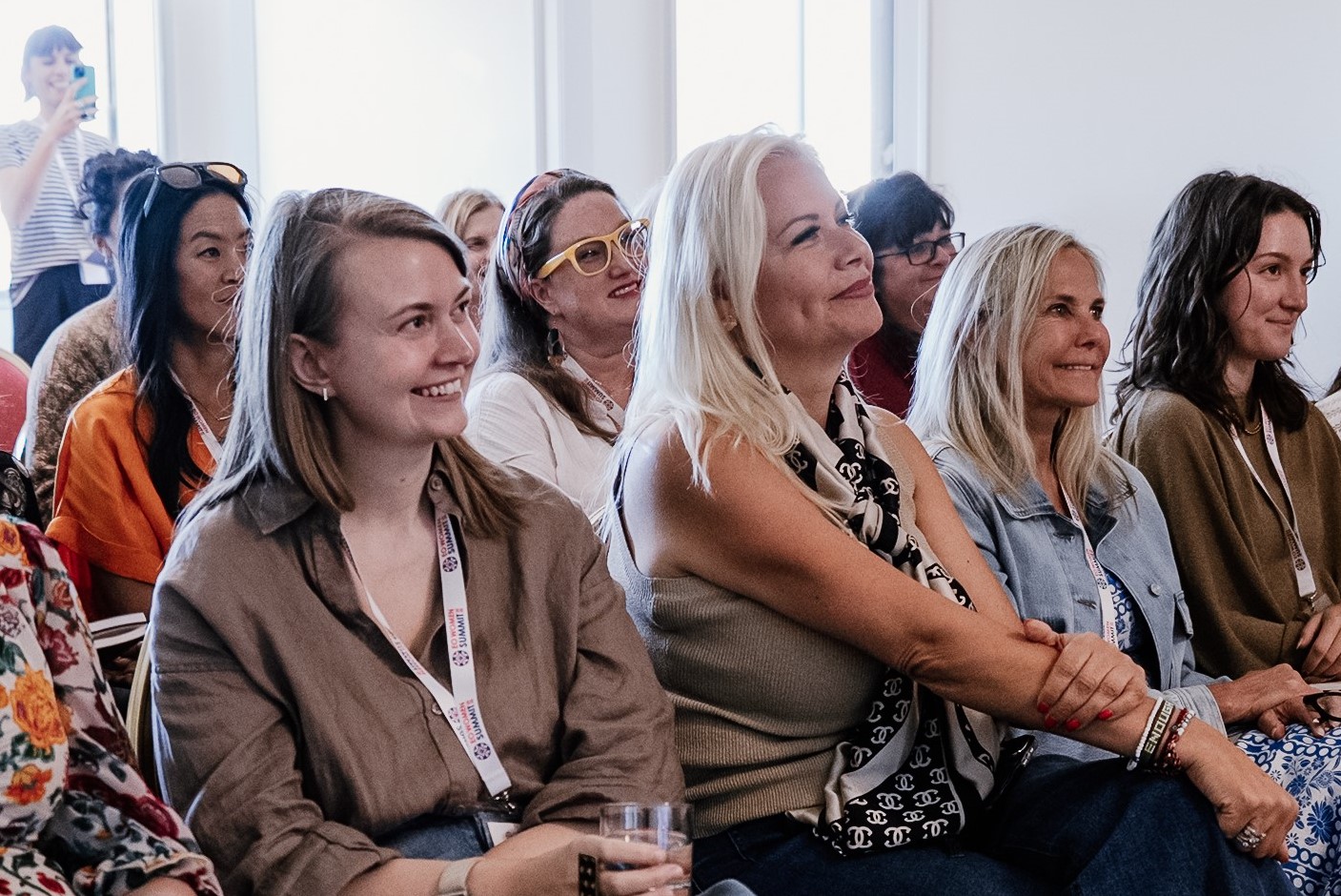
Each year on 19 November, Women’s Entrepreneurship Day honors the innovative women entrepreneurs who step out of their comfort zones to pursue their purpose and build successful enterprises — all while inspiring the next generation of female founders.
EO members on the Inc. 5000 list lead some of the fastest-growing private companies in North America. Behind every impressive growth story sit complex decisions that changed the trajectory of the business. We were curious about those pivotal moments when entrepreneurs trusted their instincts, sought clarity amid overwhelm, or made a difficult call that eventually pointed their company toward noteworthy growth.
We asked EO women on the Inc. 5000 list to reflect on the big decisions that shaped their growth and helped propel them to the top. Their answers provide a glimpse into the self-awareness and courage it takes to master the defining moments of success.
“What was the biggest decision that changed your company’s growth trajectory?”
Bought Out My Business Partner
“Buying out my original business partner. We had fundamentally different growth philosophies; it was ‘grow slow and steady’ versus ‘grow like zombies are coming to eat you for lunch.’ A company can’t sprint and coast at the same time.

“Buyouts are messy and expensive in the short term, but a business with one clear compass heading beats one with two captains fighting over the wheel.”
— Andréa Vieira, EO DC
“Once I had full decision-making authority, I moved fast: I brought my second-in-command deeper into the fold, giving her 10 percent synthetic equity and splitting the business so I ran one side and she ran the other. That move did double duty — it helped her truly buy-in and double-down on her efforts, and it gave her real authority, not just a job title.
“Buyouts are messy and expensive in the short term, but a business with one clear compass heading beats one with two captains fighting over the wheel.”
— Andréa Vieira, EO DC, Founder and CEO, nailsaloon, No. 2136 on the 2026 Inc. 5000
Stopped Being the Bottleneck and Built True Infrastructure
“My big decision was getting myself out of the day-to-day work of running the business. For years, I was the therapist, the scheduler, the biller, the marketer, the HR department, often from 7 a.m. to 3 a.m. — just hustling eight days a week.
“The company couldn't grow past what I personally could hold. As it turns out, I can hold a lot, but it just about broke me! The turning point was deciding to build real infrastructure and a leadership team I trusted, and then actually stepping back and letting them run it. Every meaningful stage of growth at Banyan traces back to that decision.”
— Chantal Hayes, EO Raleigh Durham, Founder of Banyan Tree Counseling, No. 2185 on the 2026 Inc. 5000
Clarified the Company’s Purpose
“Accepting that the company’s entrepreneurial mission was not solely rooted in economic growth, but also in expanding and enhancing our human impact on others. Once our purpose was clear, it inspired us to move intentionally and invest in influence rather than just making a quick buck.”
— Terry Lyons, EO New Jersey, Managing Partner, Lyons & Associates, P.C., No. 2234 on the 2026 Inc. 5000
Focused on Relationships with an Abundance Mindset
“One of the biggest decisions we made was choosing not to build Lakeside HR Group like a traditional staffing and recruiting company. Instead, we built the business on relationships, our reputation, and doing really good work. We believed that if we took care of clients, added value, and helped people, even when there wasn't an immediate sale attached to it, the business would follow.
"I don’t want growth to come at the expense of what made people want to work with us in the first place.”
— Kristin Nordling, EO Minnesota
“We’ve also doubled down on thought leadership and community as part of how we grow. Some of our best partners could technically be considered competitors because we serve a lot of the same clients. I intentionally approach that with an abundance mindset: There is enough work for all of us. If we can help each other, make an introduction, or bring different expertise to the table for a client, everybody wins.
“That approach has created an incredible referral network for us. Now, as we get bigger, we’re working on adding more discipline and predictability to sales without losing the relationship-first approach that got us here. I don’t want growth to come at the expense of what made people want to work with us in the first place.”
— Kristin Nordling, EO Minnesota, Founder and CEO, Lakeside HR Group, No. 617 on the 2026 Inc. 5000
Added Headcount to Grow from “Me” to “We”
“When I started my company, I had a friend who kept asking me how my solo practice was going to scale. I fought her on it for years because I didn’t see how I was ever going to get to the point where demand outpaced my capacity. But in just three years, I was knocking at that ceiling, and I had to admit to her that I was unprepared for that realization.
“I sat with it and figured it out — like everything else in this business — and decided I didn’t want my capacity to be the limiting factor on what this company could become. So, I started dreaming of what would happen if I turned my business from a ‘me’ into a ‘we’, and in the next three years, I grew nearly 10X. I am now running a true boutique firm that scales.”
— Jen Swanson, EO Minnesota, CEO and Principal Advisor, Tuckpoint Advisory Group, No. 378 on the 2026 Inc. 5000
Hired an Integrator, Not Just More Support
"The biggest decision was recognizing that the firm needed an operational integrator, not simply more administrative support. As my role shifted to focus more on legal standards, major firm decisions, and long-term direction, the business needed a leader whose primary responsibility was coordinating execution across departments.
“I had built the firm by staying close to the clients, the cases, and the team. But as the firm grew, too many operational decisions still came through me. Much of what I knew had not yet translated into processes others could own.
“Dr. Alea Baron became our Chief Operating Officer and stepped into the integrator role to oversee people, workflows, deadlines, training, measurement, and follow-through. We also added managing-attorney and legal-operations roles so that leadership and support were closer to the work.
“We formalized caseload reviews, case staffing, attorney mentoring, client communication, intake, billing accountability, hiring, onboarding, and coordination across departments. The result is a firm less dependent on any one person’s memory or availability with clearer accountability, stronger execution and a more consistent client experience.”
— Alexandra Baron, EO Sacramento, Founder and CEO, Baron Family Law, No 1,239 on the 2026 Inc. 5000
Additional posts of interest:
- By Women, For Women: How One Entrepreneur Built a Business Where Women Can Thrive
- International Women’s Day: Accelerating Investment in Women-Owned Businesses
- Why Supporting Women Leaders Is Smart Business
- International Women’s Day Spotlight: Puerto Rican Entrepreneur Builds Business and Balance, Paving the Way for Other Women To Do the Same
- Hard Won Wisdom by Women, to Accelerate Women in Entrepreneurship
- EO at 39: Successful Entrepreneurs Share How EO Fosters Growth