
 Login
Login


Why Growth-Oriented Entrepreneurs Put Employee Appreciation in the C-Suite
March 2, 2026
Published in:
Employee appreciation isn’t a feel-good initiative—it’s a growth strategy. Companies that elevate employee happiness to the executive level see measurable gains in retention, engagement, client satisfaction, and long-term performance.

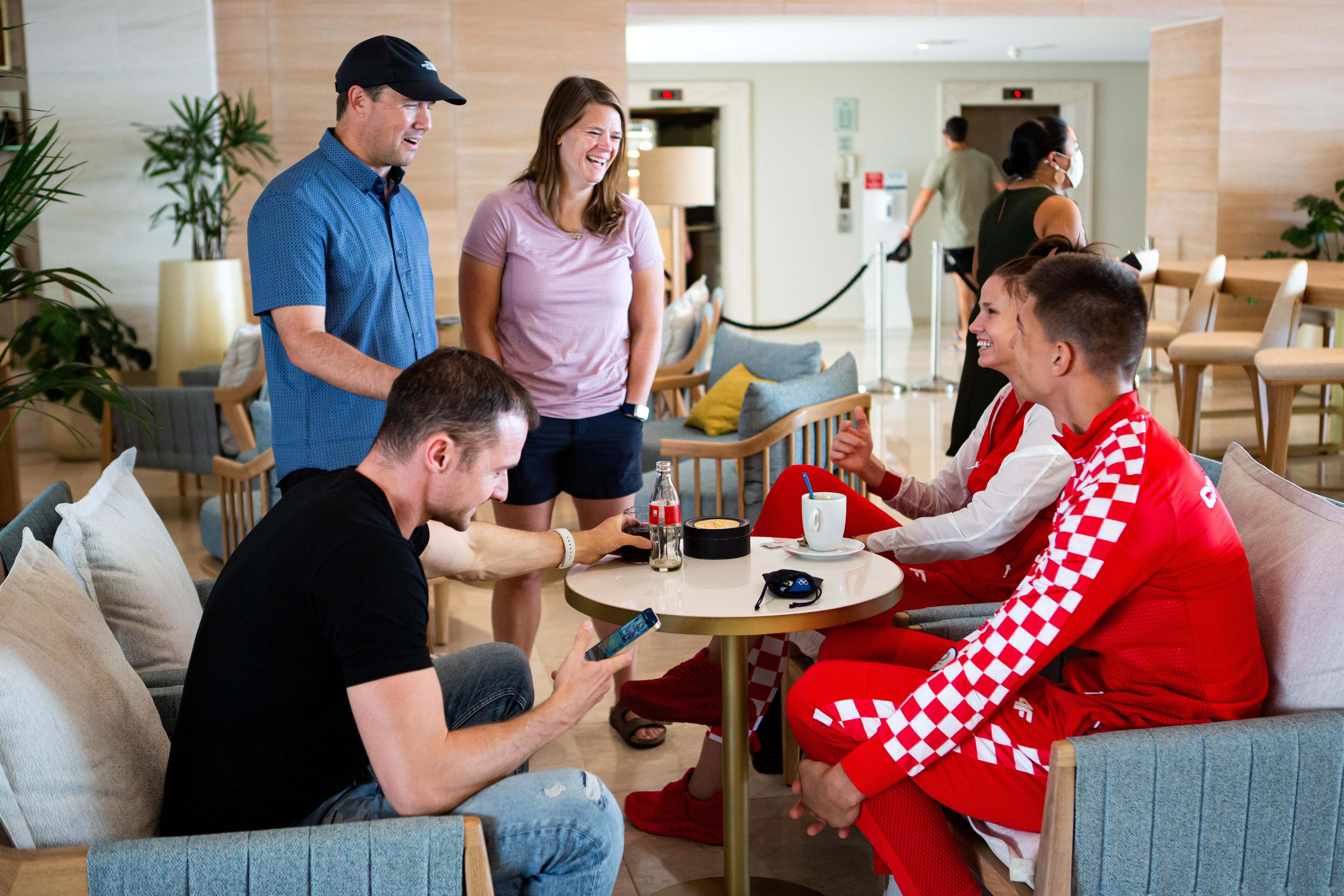
As a founder, you have plenty to juggle, including customers, capital, frameworks, and growth. But each year in March, both Employee Appreciation Day and the UN’s International Day of Happiness remind leaders not to overlook the single largest driver of every aspect of a business: your team.
Most entrepreneurs know that appreciating employees is important, and adopt that practice in meaningful ways. Studies link employee recognition to engagement and retention, which benefits the bottom line because of the high cost of turnover and the time lag between onboarding and top productivity.
But some companies take the concepts of employee appreciation and happiness to the next level — specifically, to the executive suite. One such company is TCG.
We spoke with Dan Turner, an EO DC member who is founder and CEO of TCG, and Elizabeth Branner, TCG’s Chief Employee Experience Officer (CxO), to learn more.
Employee Happiness at the Executive Level
TCG’s commitment to employee happiness is exceptional. The company created a standalone function within its executive management team called the Employee Happiness Division. That deliberate and highly visible elevation signals from the top that employee happiness is a company priority.
Elizabeth Branner, formerly known as the VP of Employee Happiness (now CxO), leads the division with two team members: a Learning & Development Manager, and an Employee Happiness Advisor. The division focuses on employee development, engagement, individualized attention, support, and overall wellbeing.
Why raise happiness beyond HR to the executive level?
“It ensures that our employees’ concerns, successes, and interests are represented and shared with TCG’s executive team every day,” Elizabeth explains. “This frees HR to be dedicated to core business activities including compliance, policies, compensation, and ‘hard’ benefits.”
HR handles the infrastructure while the Employee Happiness Division designs the culture and experience.
Defining Employee Happiness (And What Leaders Get Wrong)
“Employee happiness emerges as the product of innumerable actions and conditions, each of which must be intentionally built and maintained,” Elizabeth explains.
At TCG, the building blocks for employee happiness include:
- Jobs with purpose and potential for progress. Human beings need both.
- Knowing employees as individuals. Each has unique talents, interests, and opinions. The Happiness Division intentionally touches base regularly with each employee.
- Teaching managers how to manage people. Because effective feedback, active listening, handling sensitive conversations, and basic conflict management are essential — not “soft” — skills.
- Communicating frequently and generously. Sharing company news, finances, changes, or other happenings honestly with employees creates trust.
- Creating opportunities for employees to connect. Both virtually and in person, in scenarios shaped by employee input.
- Measuring engagement at least twice yearly. With anonymous, confidential surveys and results, (even when less than perfect) shared company-wide. Managers are trained to create action plans based on their team-level results. It takes extra time and effort, but the positive impact on team cohesion and alignment is worth the investment.
These building blocks were phased in intentionally over time, not overnight.
“Building these systems has taken years, and we are still tweaking and learning constantly,” Elizabeth notes. “But they have a multiplicative effect, each improving our employee satisfaction, and even more together.”
While perks are nice to have, intentional systems empower the company to scale happiness.
The Business Case for Employee Happiness
Maintaining that level of employee focus is an ongoing investment.
“We spend more on HR processes (HR, recruiting, and happiness combined) than most companies of our size,” Elizabeth shares.
However, the business returns are measurable:
- Extremely high rates of employee retention for their industry
- Consistent top client satisfaction scores
- Named a Washington Post Top Workplace for the 11th consecutive year (plus other awards and recognitions)
- A five-year average employee engagement score of 88 percent
As a side note, awards and recognition appeal to prospective employees, making a positive impact on the company’s recruiting and hiring.
Inside the Role of a Chief Employee Experience Officer
As a government contractor, 90 percent of employees are client-facing, often working side-by-side on site with clients, instead of in TCG offices.
“We have no control over this significant influence on our employees’ work experience,” Elizabeth explains. “Given this reality, we work much harder to create culture and a good work environment” within TCG.
That effort includes:
- Learning and development programs
- Career development reviews (distinct and broader than traditional performance reviews)
- Training and coaching for people managers
- Leadership development programs
- Communication skills training
- Employee experience surveys at key inflection points
- Wellbeing speakers and resources
- Recognition programs, buddy systems, perks, and monthly connection groups
Some of the Happiness Division’s unique offerings include:
Newbie Tuesdays: Monthly lunches in their first year, where new employees build relationships in a casual gathering with get-to-know-you activities and prompts.
Happiness Half Hours: Open to all employees who pop in for chit-chat, take a short break, or eat lunch with others.
Wellbeing Wednesday Speaker Series: Featuring guest speakers with expertise across all areas of wellbeing, including financial, career, social, physical, and mental health, family, and community.
And yes, there are also traditional expressions of appreciation, which the Happiness team takes to the next level.
“We welcome new employees by sending flowers to their homes and a welcome box full of TCG swag and goodies,” says Elizabeth. “At various tenure points, we send Harry & David fruit subscriptions, books, popcorn, and bonsai kits. We send special gifts for weddings, new homeowners, and new babies.”
As for birthdays, every TCGer gets a gift. But the happiness doesn’t stop there: Each employee’s children and/or spouse also gets a birthday gift. And, employees receive gifts for milestone work anniversaries and client recognitions.
Those gifts and perks might include out-of-the-box ideas such as paid pet adoption fees, National and State Park Passes, paid access to attorney services, or tickets to sports, arts, and other events.
What Employees Say
Responses to the company’s anonymous engagement surveys round out the picture:
- “TCG is the first place I've ever worked where I actually felt like I belonged.”
- “TCG does a really good job of telling us what is going on.”
- “I love that we feel heard and valued — that is priceless.”
- “I have always felt TCG was special, from the moment I interviewed for my job to today.”
- “The Happiness team is fantastic. They treat us like people, always listen to us, and help us grow.”
You Cannot Afford Not To
As founder and CEO, Dan champions the investment his company makes in employee happiness, and for good reason.
“In our experience, happier employees lead to happier clients,” Dan says. “Employee happiness can seem like a ‘nice-to-have’ instead of a ‘must’. It demands staffing and funding. But if you believe in it, it has to be a business priority.”
The Harvard Business Review confirms that engaged employees create better customer experiences.
“We consistently achieve top customer satisfaction ratings, which helps us pursue and win new business. At TCG, we cannot afford not to invest in employee happiness.”
Related posts of interest: